

When Does Debagging Make Sense for a Dry Bulk Supply Chain?
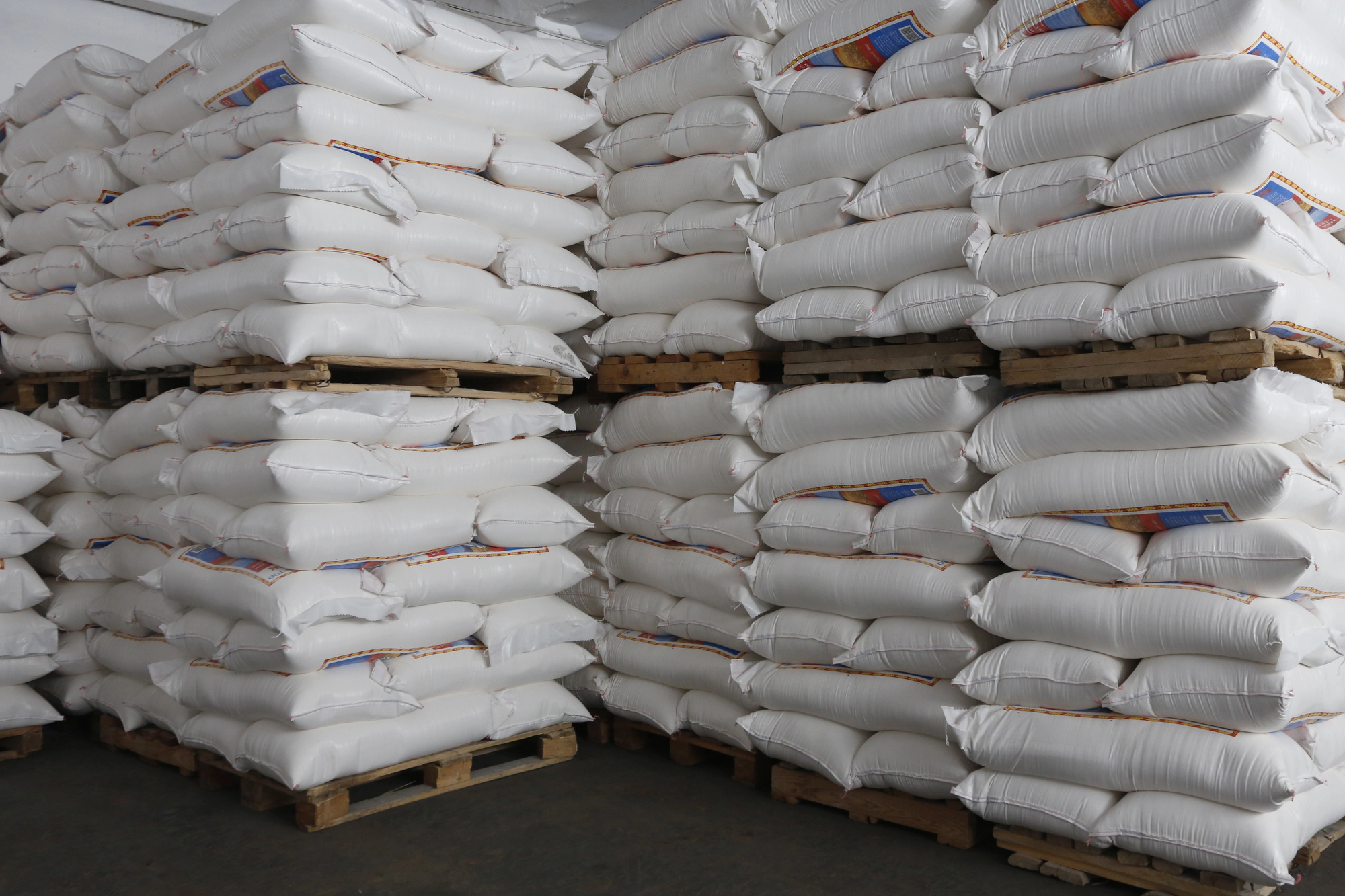
A shipment arrives in hundreds of individual bags, but the receiving plant needs the material in bulk. Suddenly, those neatly stacked bags become a time-consuming supply chain puzzle.
Debagging solves that mismatch by transferring dry, flowable material from smaller bags into a larger format, such as a Gaylord or pneumatic trailer. It can reduce manual handling, prepare imported material for domestic production, and help manufacturers receive products in the format their equipment actually requires.
However, debagging is not automatically the right choice for every shipment. The product, volume, destination, and handling requirements all matter.
What Is Debagging?
Debagging is the process of opening smaller bags, often 25kg bags, and transferring their contents into a larger bulk container or transportation format.
For example, an ingredient may be packaged in 25kg bags at an overseas manufacturing facility because that format works well for export. Once the shipment reaches the United States, the customer may need the same material delivered in a pneumatic trailer so it can move directly into a silo or production system.
Instead of asking plant employees to open hundreds of bags by hand, a qualified dry bulk partner can consolidate the material before delivery. Speedway Packaging & Distribution’s dry bulk storage and transloading services include transferring material from 25kg bags into Gaylords or pneumatic trailers.
When Does Debagging Make Sense?
Debagging usually makes the most sense when the package used for transportation does not match the format needed at the product’s destination.
Imported materials are a common example. Shipping an ingredient or raw material in individual bags may be practical at its point of origin, but a domestic manufacturer may be equipped to receive only bulk deliveries. Debagging acts as the bridge between those two systems.
It can also make sense when shipment volumes have outgrown manual handling. Opening a few bags during production is one thing. Opening several hundred is quite another, especially when employees must lift, empty, inspect, and dispose of each bag. At that point, the bags are no longer just packaging. They are a labor project.
Another good use case is consolidating material for storage or distribution. Transferring individual bags into Gaylords may simplify inventory handling, while loading the product into a pneumatic trailer can prepare it for direct delivery to a facility with bulk receiving capabilities.
How Can Debagging Improve Plant Operations?
The value of debagging becomes especially clear at the receiving plant.
Imagine a manufacturer that uses a powdered ingredient throughout the week. If the material arrives in 25kg bags, employees may have to repeatedly open and empty those bags into the production system. That takes time, creates packaging waste, and adds another manual task to an already busy floor.
When the same material arrives in bulk, it may be transferred more directly into the plant’s receiving or production equipment. This can reduce repetitive handling and allow employees to spend more time on the work that cannot be automated.
Debagging may also help companies avoid purchasing equipment that they would use only for certain products or seasonal volumes. Outsourcing the transfer provides access to specialized capabilities without turning the plant into a bag-opening operation. No one puts that on the facility tour for a reason.
What Should Be Evaluated Before Debagging a Product?
The first question is whether the material is suitable for the transfer equipment. Its flow characteristics, density, particle size, dust behavior, and sensitivity to moisture or contamination can influence the process.
The team should also review the product’s documentation and traceability requirements. Lot identity must remain accurate as material moves from individual bags into a larger container. Food ingredients and other sensitive products may require additional controls related to sanitation, segregation, allergen management, or facility certification.
The destination matters, too. A pneumatic trailer may be the best choice when a plant has bulk unloading equipment, while Gaylords may offer more flexibility for storage or staged production.
Companies handling regulated or quality-sensitive products should also confirm which standards apply. Speedway’s guide to SQF and GMP requirements provides a helpful starting point for evaluating facility and handling expectations.
Is Debagging the Opposite of Bulk-to-Bag Packaging?
Essentially, yes. Debagging combines material from smaller bags into a larger bulk format. Bulk-to-bag packaging takes material from a bulk container and divides it into smaller packages.
A supply chain might need one process, the other, or even both at different stages. Speedway’s article on when bulk-to-bag packaging makes sense explores the other side of that equation.
The goal in either case is the same: put the product into the format that makes the next step easier.
Build a Better Path From Bagged Material to Bulk
Debagging makes the most sense when individual bags are increasing labor, slowing production, or arriving in a format that the final facility cannot use effectively. With the right product controls and transfer setup, companies can convert bagged material into Gaylords or pneumatic trailers before it reaches the plant.
Speedway Packaging & Distribution provides dry bulk storage and transloading capabilities for products moving between 25kg bags, supersacks, Gaylords, and bulk trailers. Contact the Speedway team to discuss the product, shipment volume, destination requirements, and appropriate facility for your project.
Frequently Asked Questions
1. What types of materials can be debagged?
Debagging is generally used for dry, flowable materials such as powders, grains, resins, ingredients, and other raw commodities. The product’s characteristics and handling requirements should be reviewed before the project begins.
2. Can 25kg bags be transferred directly into a pneumatic trailer?
Yes, suitable materials can be transferred from 25kg bags into a pneumatic trailer using specialized equipment. The specific facility, product, and trailer requirements should be confirmed during project planning.
3. Does debagging eliminate product traceability?
No. A properly managed process should preserve the relevant lot, date, and SKU information as the material changes formats. Documentation requirements should be established before any transfer begins.