

What Information Does a Dry Bulk 3PL Need Before Quoting Your Project?
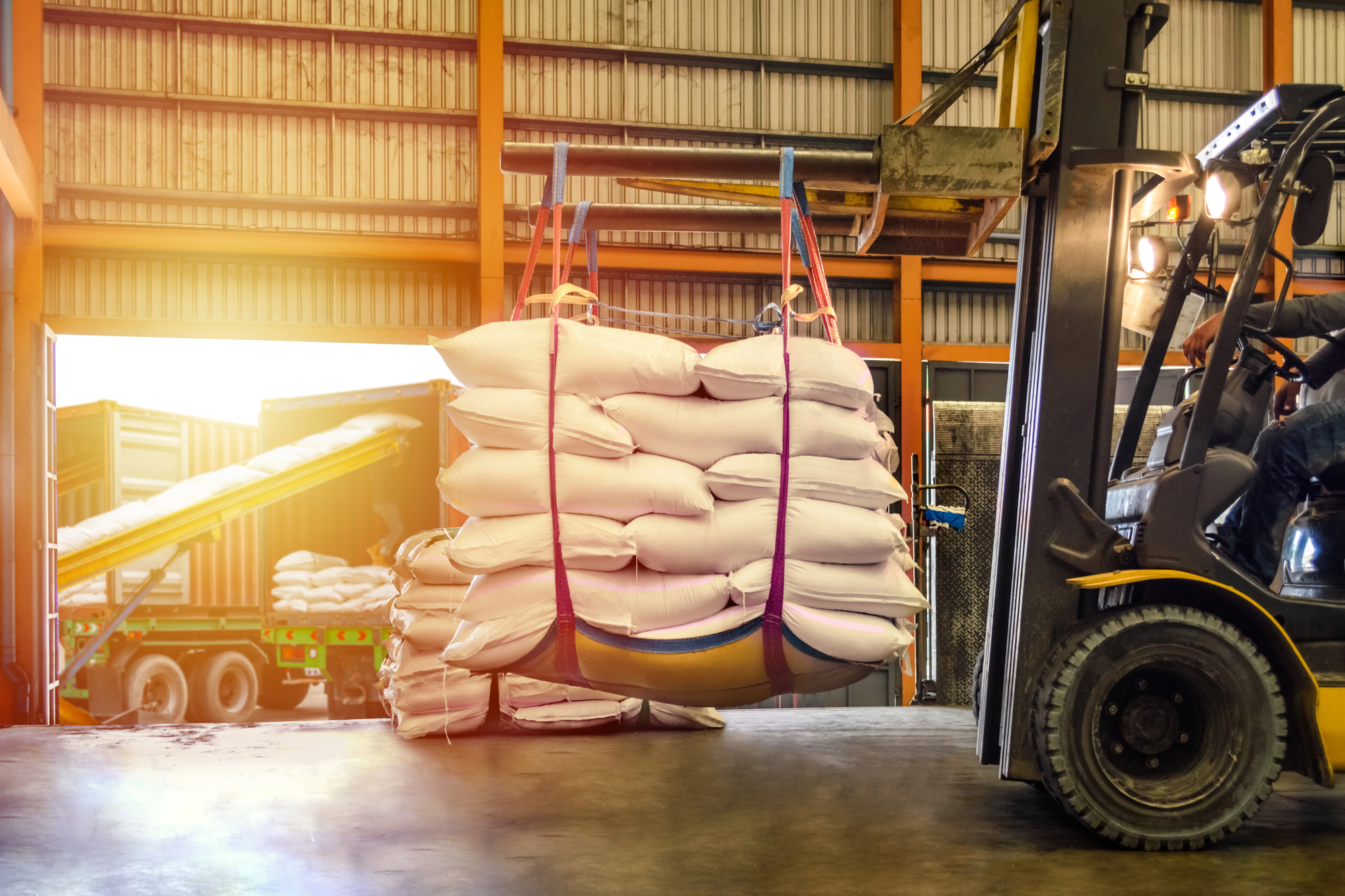
Requesting a dry bulk logistics quote should be straightforward, but “We have some powder that needs storage” does not give a 3PL much to work with.
Dry bulk projects can involve different products, packaging formats, storage conditions, transfer equipment, and compliance requirements. Providing those details upfront helps a third-party logistics provider determine whether it can safely handle the material, which facility is appropriate, and what the project will realistically cost.
You do not need to arrive with every answer neatly packaged. That is what the initial conversation is for. Still, the more information you can provide, the fewer surprises will appear later.
What Product Will the 3PL Be Handling?
Start with the material itself. A dry bulk 3PL needs to know the product name, composition, intended use, and physical characteristics.
Two products may both be described as “powders” while behaving very differently during storage and transfer. One may flow easily into a pneumatic trailer, while another tends to clump, create dust, absorb moisture, or leave residue in equipment. Density and particle size can also affect storage capacity, transfer times, and equipment selection.
Let the provider know whether the material is a food ingredient, nutraceutical component, resin, grain, chemical, mineral, or another dry commodity. If a safety data sheet or product specification sheet is available, include it with the initial request.
This is not paperwork for paperwork’s sake. A product that looks harmless in a bag can become much more complicated once thousands of pounds of it start moving.
How Much Product Is Involved?
The 3PL will need both the expected shipment size and the total projected volume.
Include how many truckloads, railcars, pallets, bags, supersacks, or containers you expect to receive. It also helps to explain whether the project is a one-time transfer, a seasonal program, or an ongoing operation.
Annual volume alone does not tell the entire story. A company moving one million pounds evenly throughout the year has different capacity needs than a company receiving the same amount within six weeks.
Sharing the anticipated inbound schedule, peak periods, and normal inventory level allows the provider to evaluate labor, equipment, storage space, and appointment availability more accurately.
In What Format Will the Material Arrive?
The inbound packaging format plays a major role in the quote. Dry material might arrive in 25kg bags, supersacks, Gaylords, pneumatic trailers, ocean containers, or railcars.
Be specific about bag weights, pallet quantities, container types, and whether the material will arrive palletized. If a shipment is imported, provide any available details about container unloading and delivery scheduling.
The 3PL also needs to know whether the material will leave in the same format. A product may arrive in 25kg bags but need to depart in Gaylords or a pneumatic trailer. That requires more than storage. It requires a planned transfer process.
Speedway Packaging & Distribution provides dry bulk storage and transloading services for materials moving between 25kg bags, supersacks, Gaylords, and bulk trailers.
Will the Product Need Debagging or Repackaging?
Tell the provider about every service the material will require while it is at the facility.
If individual bags must be opened and consolidated, explain the preferred outbound format and target quantity. The article When Does Debagging Make Sense for a Dry Bulk Supply Chain? explains how this process can bridge the gap between imported bagged material and domestic bulk receiving systems.
If the project works in the opposite direction, material may need to be divided into smaller packages. Speedway’s guide to bulk-to-bag packaging outlines when that option may be appropriate.
Also identify any labeling, sampling, weighing, palletizing, or quality-control steps that should be included. Small extras have a funny habit of becoming large delays when they are discovered after the product arrives.
What Storage Conditions Does the Product Require?
A dry bulk 3PL needs to understand how the material should be stored and how long it is expected to remain at the facility.
Important details include temperature or humidity sensitivity, shelf life, allergen considerations, pest-control requirements, and whether the material must be segregated from other products. The provider should also know the expected inventory rotation method.
For products with expiration dates, FEFO, or first expired, first out, may be appropriate. Other materials may use FIFO, or first in, first out. Speedway’s warehouse management capabilities support inventory tracking by lot, date, and SKU, along with FIFO and FEFO rotation.
Are There Compliance or Traceability Requirements?
Explain which industry standards, customer requirements, and audit expectations apply to the project.
Food ingredients and other sensitive materials may require GMP- or SQF-compliant handling. Customers may also require lot traceability, documented sanitation procedures, certificates of analysis, or specific records at receiving and shipment.
If you are unsure which standard applies, the guide to SQF versus GMP offers a helpful overview.
Where Is the Product Coming From and Going?
Finally, provide the origin, destination, transportation mode, and delivery requirements.
The 3PL should know whether the product will arrive by truck, ocean container, or rail and whether it will depart by dry van, flatbed, pneumatic trailer, or another method. Include appointment restrictions, delivery frequency, and any special loading requirements at the destination.
Location affects far more than mileage. It can determine which warehouse has the necessary equipment, capacity, certifications, and transportation access.
Get a More Accurate Dry Bulk Quote
A detailed quote request should explain what the material is, how much is moving, how it will arrive, what must happen inside the facility, and how it needs to leave.
Speedway Packaging & Distribution offers dry bulk storage, debagging, transloading, inventory tracking, and related logistics support. Contact the Speedway team with your product specifications and project requirements to begin evaluating the right solution.
Frequently Asked Questions
1. Do I need an exact annual volume before requesting a quote?
No. An estimate is usually enough to begin the conversation. Provide the best available forecast, expected shipment sizes, and any known seasonal peaks.
2. Why does a 3PL need a product specification sheet?
The specification sheet helps the provider understand the material’s composition, density, handling characteristics, storage requirements, and potential safety concerns.
3. Can one quote include storage, transloading, and transportation?
Potentially, yes. Clearly identify every requested service so the provider can determine which capabilities are available and build a quote around the complete project.